

AI has been advancing rapidly, at least on paper.
Anthropic has been releasing models like Claude Mythos, Fable, etc. Google is releasing 3.99, 4.00, 4.01(ha, ha) and the same with OpenAI and others.
But has the human intervention and direction part been reduced? We are yet to really see.
One thing it has definitely done, though, is begin the Memory Wars.
Chip manufacturers are diverting resources towards the far more profitable AI memory and chip fabrication, while mobile chip manufacturing is taking a back seat.
And the consequences are beginning to show.
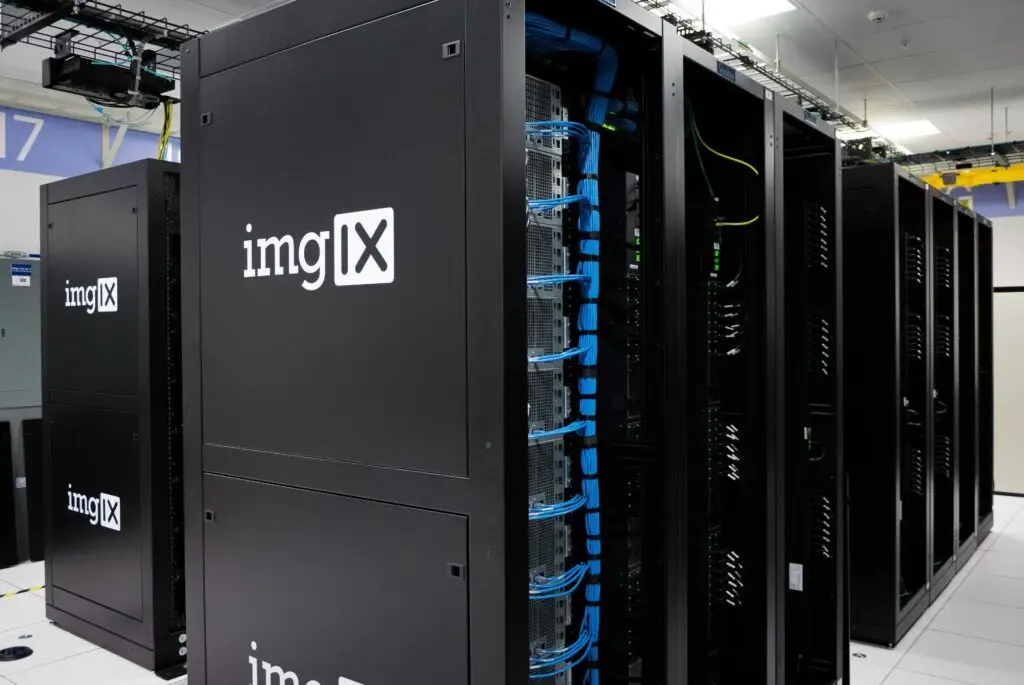
The AI boom has created enormous demand for HBM and server memory. Memory manufacturers are naturally prioritising the products that offer the best returns, squeezing conventional memory used in smartphones and PCs. TrendForce expects conventional DRAM prices to rise sharply as suppliers shift capacity towards HBM and server applications.
The smartphone is where the consumer eventually feels it.
Especially in markets like India.
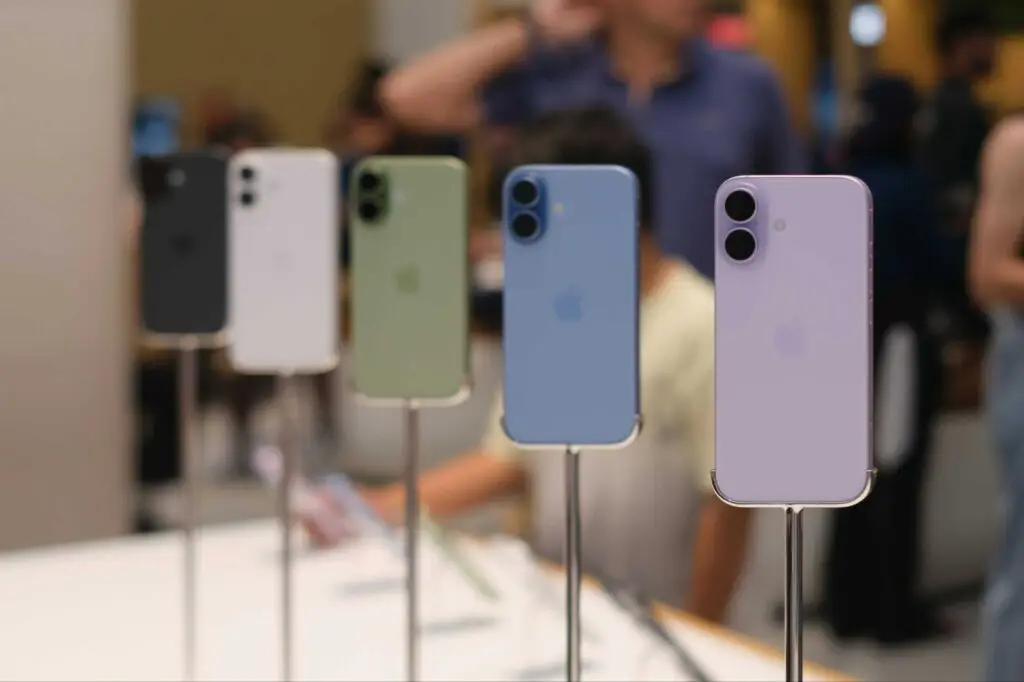
Instead of getting more for the same money—as we have become accustomed to with smartphones—we are beginning to get less for more.
Reports suggest smartphone prices in India have risen substantially across different segments as memory costs have surged, with some estimates putting the increase anywhere from 4% to 68%, depending on the model.
And suddenly, the old smartphone specification wars look different.
Remember when companies used to fight over processors?
Snapdragon this.
Dimensity that.
More cores.
Higher clock speeds.
Faster GPU.
Better benchmark scores.
Now?
Monster battery.
200MP camera.
AI camera.
AI everything.
And somewhere down the specification sheet:
4GB RAM.
That’s the part that bothers me.
Because a bigger battery doesn’t make an old processor faster.
A 200MP camera doesn’t make 4GB of RAM behave like 12GB.
And putting the word AI on a specification sheet doesn’t turn an ageing processor into a flagship.
The problem isn’t necessarily that manufacturers are deliberately making worse phones.
The economics have changed.
Memory manufacturers can make considerably more money supplying AI infrastructure than supplying the memory that goes into a ₹15,000 smartphone.
And when supply is tight, the lower-margin customer loses first.
That customer isn’t necessarily the person buying a ₹1.5 lakh iPhone.
It’s the person trying to buy a decent ₹20,000 phone.
And that is where the irony begins.
AI is supposed to make technology cheaper, more accessible and more productive.
Instead, at least for now, the infrastructure required to build it is making some of the technology we already use more expensive.
Whether AI actually transforms productivity enough to justify this enormous investment remains to be seen.
The models are getting better.
The numbers are getting bigger.
The funding is getting bigger.
The data centres are getting bigger.
But whether human beings are actually becoming proportionately more productive—or whether AI will eventually be absorbed into everyday life like most other technologies, producing a useful but relatively modest productivity gain—is still an open question.
Other than aggressive marketing and the correction of years of overhiring in IT and software, we are yet to see the full impact.
Maybe the revolution is coming.
Maybe we are already in it.
Maybe we’re just getting very good at giving the revolution a new version number every few weeks.
Meanwhile, there is a very real revolution happening in semiconductor manufacturing.
AI vs smartphones.
HBM vs conventional memory.
And the bill is slowly reaching the consumer.
We are keeping our fingers crossed and hoping for the best.
Till then, consumers suffer from chip inflation.
Hurrah!







Leave a Reply