

For years, we have been told that AI will eventually make the smartphone irrelevant. The irony is that AI may instead turn the phone into something we barely have to operate ourselves.
Suppose you have a grocery list on your phone that you have accumulated through the week. Milk, eggs, detergent, coffee, maybe a few other things you remembered along the way.
Until now, your phone’s job was simply to store that list.
Now imagine the phone understanding what is on the list, finding the things you need, and ordering them for you.
That is the direction Google is taking Android with its new Gemini Intelligence, starting with the Google Pixel 10 and Pixel 10 Pro, alongside Samsung’s Galaxy S26 lineup.
The interesting part isn’t simply that these phones have AI.
We’ve had AI assistants on phones for years.
The interesting part is that the phone is beginning to move from answering our commands to understanding our intentions and acting on them.
From operating the phone to telling the phone what to do
The smartphone revolution taught us to interact with technology through apps.
Want to book a movie? Open an app.
Want to order food? Open an app.
Want to book an appointment? Open another app.
Want to check the weather? Open another one.
We became very good at operating our phones.
The next phase could be about making the phone do the operating for us.
Google’s Gemini Intelligence is designed to work more deeply across Android and its apps, allowing AI to understand context and perform tasks rather than simply answering questions.
So instead of telling your phone how to do something, you could increasingly tell it what you want done.
And that is a pretty significant change.
The phone may actually become more important
There was a lot of talk about AI eventually moving away from phones.
AI glasses. AI earbuds. AI pendants. Devices integrated more closely with humans.
But there is a small problem.
AI needs to see.
It needs to hear.
It needs to know where you are.
It needs access to your calendar, contacts, messages, apps and other information if you want it to act on your behalf.
And what device already has most of those things?
The phone.
The camera becomes its eyes.
The microphone becomes its ears.
GPS gives it location.
The apps give it access to services.
The phone provides connectivity, computing power and, perhaps most importantly, your digital identity.
So for now, we are not doing away with phones.
If anything, AI could make the phone considerably more useful.
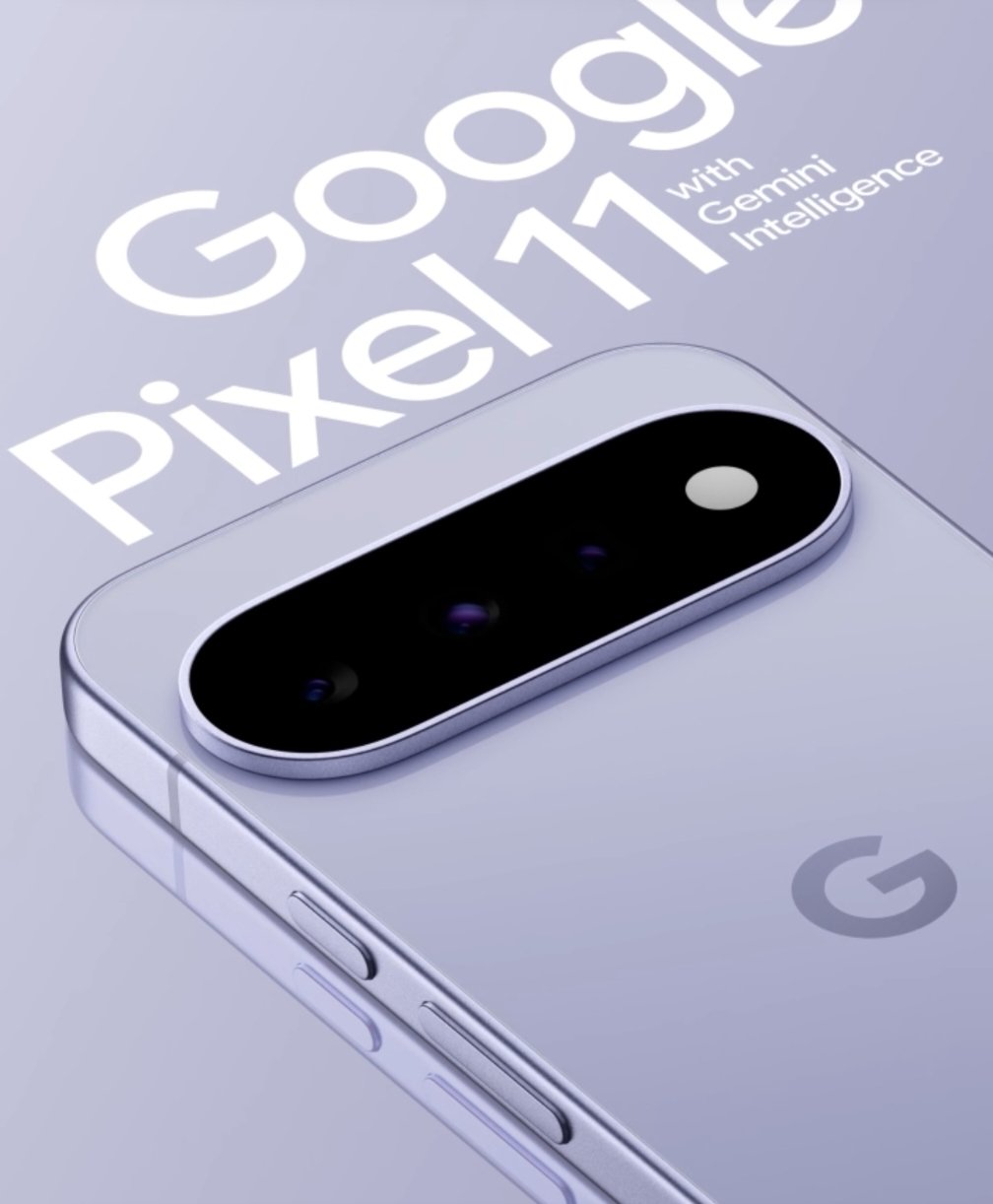
Google Pixel 11: When the phone understands context
The Pixel 11 is a good example of where this is heading.
Google’s idea with Gemini is not simply to put a chatbot inside your phone. It is to make AI more deeply integrated into the Android experience.
Think about something as simple as planning a trip.
You might have a conversation with someone, save a few places, check the weather, look at your calendar and make notes about the journey.
Today, these things are scattered across different apps.
The AI-powered phone is supposed to understand the context connecting them.
That is a subtle but important change.
The phone is no longer just a collection of apps.
The AI becomes the layer connecting them.
Samsung Galaxy S26: Tell it what you want, not how to do it
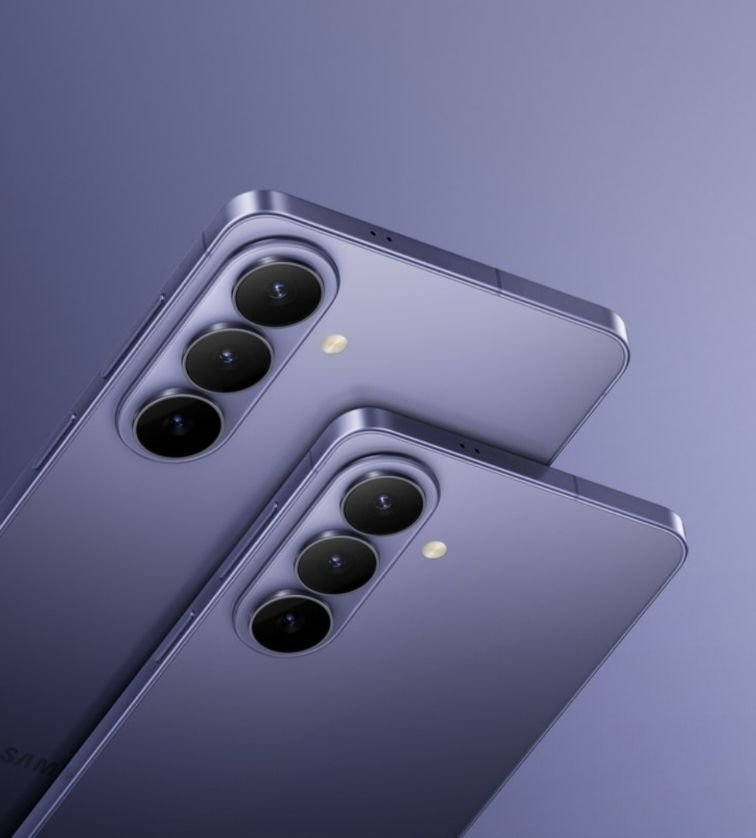
Samsung’s Galaxy S26 lineup is another example of this direction.
The important change isn’t that the phone can answer questions. That’s old news.
It is the possibility of asking the phone to accomplish something that involves several steps.
Suppose you want to watch a movie on Saturday evening.
Instead of opening a cinema app, checking the timings, selecting the movie, choosing seats and going through the booking process yourself, you could simply tell the AI what you want.
The AI handles the tedious part, while you remain in control of the important decisions and permissions.
It sounds like a small convenience.
But multiply that across dozens of things we do every day, and the change becomes much bigger.
The phone goes from being a tool we operate to something that can operate on our behalf.
And then there is the way we talk to our phones
Google has also introduced Ramble on Android, which is interesting for a different reason.
We don’t actually talk like computers.
We jump between ideas.
We hesitate.
We say “uhm”.
We switch languages.
We start a sentence, change our mind and then come back to the original thought.
For years, we have had to adapt ourselves to technology.
We had to search using the right keywords.
We had to give precise commands.
We had to learn how to phrase things so the machine understood us.
Ramble moves in the other direction.
The idea is that the phone can better understand the way humans actually think and speak, including multilingual and less structured conversations.
The machine is beginning to adapt to us.
Not the other way around.
Your phone could become your own little dashboard
The customisation possibilities are perhaps even more interesting.
Imagine you are an avid tourer and are planning a motorcycle trip into the hills.
You don’t simply want tomorrow’s weather.
You want to know which days and windows during your trip are most suitable for riding.
A personalised AI widget could potentially monitor the forecast and alert you when conditions match the criteria you care about.
Instead of repeatedly checking an app, you tell the phone what matters to you and let it keep an eye on it.
That is another important shift.
The phone isn’t just giving you information when you ask for it.
It can increasingly be configured to watch for information that matters to you.
So, is the smartphone dying?
Maybe one day.
Perhaps AI will eventually move into glasses, watches, cars, earbuds or something we haven’t even imagined yet.
Perhaps one day we won’t carry a phone at all.
But that doesn’t seem to be where we are heading right now.
The irony is that the AI revolution, which was supposed to make the phone irrelevant, may actually make the phone more central to our digital lives.
Because the AI needs the phone’s camera.
It needs its sensors.
It needs its connectivity.
It needs its apps.
It needs its data.
And it needs a way to act in the real world.
Whatever the future looks like, for now the AI is operating inside the phone.
And it is going to get a lot smarter.
The smartphone may not be disappearing.
It may simply be learning to operate itself.










Leave a Reply