


We like to think that technological revolutions are driven purely by lone geniuses and sudden flashes of inspiration. But if you look closely at history, the real engine behind almost every massive technological leap isn’t just brilliant engineering. It’s cheap money.
Whenever borrowing money becomes incredibly cheap, investors become willing to take massive, unprecedented risks on wild new ideas. This combination—a groundbreaking new technology meeting a flood of easy cash—always triggers the exact same cycle: a euphoric building phase, a painful financial crash when the money dries up, and finally, a slow, steady period where the surviving technology quietly changes the world.
We are seeing this play out right now with Artificial Intelligence. But to understand the massive tech layoffs and the billions of dollars currently swirling around AI, we have to look at the ghosts of tech booms past.
The Ghosts of Easy Money

In the early 1840s, the Bank of England kept interest rates incredibly low to stimulate a recovering economy. The result? “Railway Mania.” Middle-class citizens poured their savings into new steam locomotive companies, often buying shares on early installment plans. The bubble eventually popped when interest rates rose, ruining thousands of investors. Yet, when the financial dust settled, Britain was left with a sprawling, world-class railway network that supercharged the Industrial Revolution.
The pattern repeated in the 1920s. Following World War I, cheap credit fueled a consumer frenzy in the United States. Americans bought newly invented radios and automobiles on credit, while Wall Street speculated wildly on the companies building the new electric grid. It ended in the devastating 1929 stock market crash. But the power lines, paved highways, and broadcast towers left behind built the foundation of modern America.
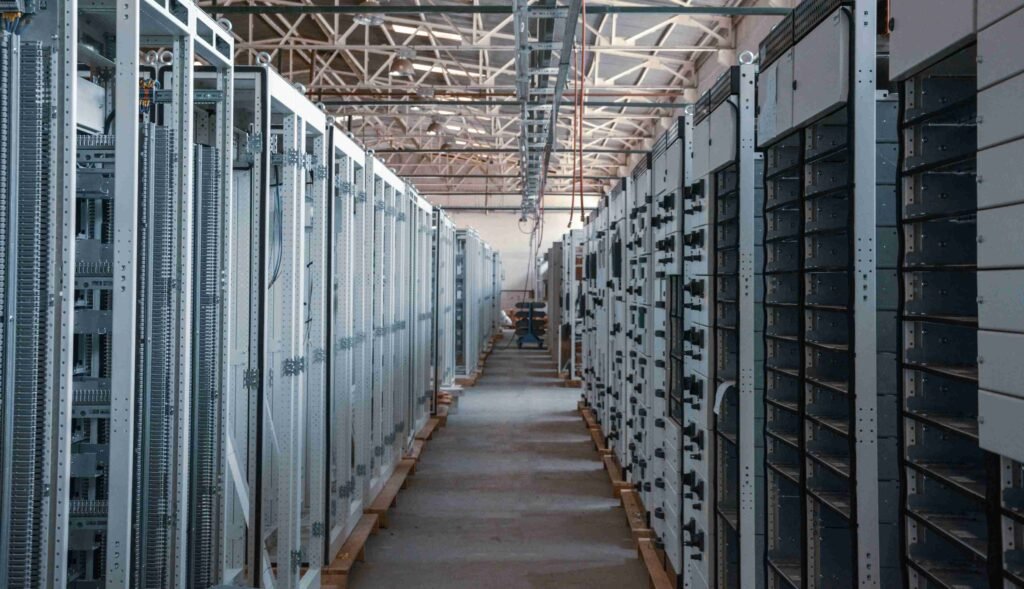
By the late 1990s, the internet arrived just as the Federal Reserve was flooding the financial system with liquidity. Venture capitalists threw billions at any startup with a “.com” in its name. The bubble burst in the spring of 2000, wiping out half the companies and triggering massive layoffs. But during the mania, telecom companies had laid thousands of miles of incredibly expensive fiber-optic cables under the oceans. They went bankrupt, but the cables remained—giving us the cheap, high-speed internet that makes today’s streaming video and cloud computing possible.
The AI Boom and the Great Restructuring
Today, the tech industry is following this exact historical script.
During the pandemic in 2020 and 2021, money was cheaper than ever before. Tech companies went on a massive hiring spree, operating under a “growth at all costs” mindset. They hoarded software engineers, recruiters, and managers, assuming the good times would never end.
Then the music stopped. By 2023, global inflation spiked, interest rates rose, and borrowing money suddenly became expensive. The tech industry panicked.
This brings us to the brutal reality of 2026. By mid-year, over 175,000 tech workers have already been laid off. It is tempting to look at these numbers and assume AI is simply doing all of these jobs now. But the truth is more complicated. What we are witnessing is a classic economic restructuring.
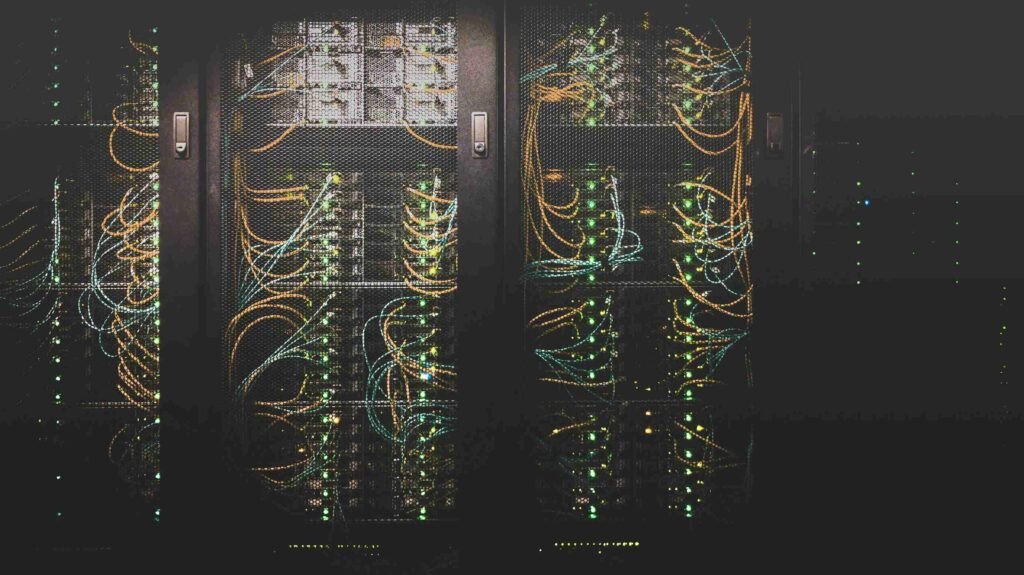
Because borrowing money is no longer cheap, companies have to self-fund their AI ambitions. Building AI requires massive data centers, staggering amounts of electricity, and incredibly expensive specialized microchips. To afford this new infrastructure, tech executives are actively making a trade: they are slashing human payroll to free up the cash needed to buy computing power. They aren’t just replacing workers with bots; they are pivoting their capital from human potential to machine infrastructure.
The 2% Reality Check
In the middle of a tech boom, it is easy to get swept up in the utopian hype. Tech CEOs frequently promise that AI will double human output overnight. But history offers a sobering reality check.
Historically, major, world-changing technologies—from the steam engine to electricity to the early personal computer—do not instantly double our economic output. Instead, they typically result in a modest, steady productivity bump of roughly 2% per year. In fact, leading economists recently estimated that AI might only produce a fraction of a percent in annual productivity gains over the next decade.
Why? Because society takes a very long time to figure out how to actually use new tools. You can invent the electric dynamo, but it takes decades for factory owners to figure out how to redesign their assembly lines to take advantage of it. We are currently in that messy transition phase with AI. We have the shiny new tool, but we are still figuring out how to reorganize our daily work around it.
Why This Time Warrants Caution
While history suggests AI will eventually settle into that familiar, steady growth pattern, we need to proceed with caution.
Past technologies largely replaced physical labor or built physical networks. AI is entirely different: it targets cognitive labor. It writes, it codes, it analyzes, and it communicates. The speed at which companies are adopting it to automate junior-level and middle-class office jobs is happening much faster than previous industrial shifts.
We are currently in the messy middle of a classic tech-and-money cycle. Just as the railway barons and dot-com billionaires learned, the easy money never lasts forever. The real challenge for the next decade won’t be building smarter AI—it will be managing the human friction left in its wake, ensuring that this new digital infrastructure actually benefits the people working alongside it.













Leave a Reply