

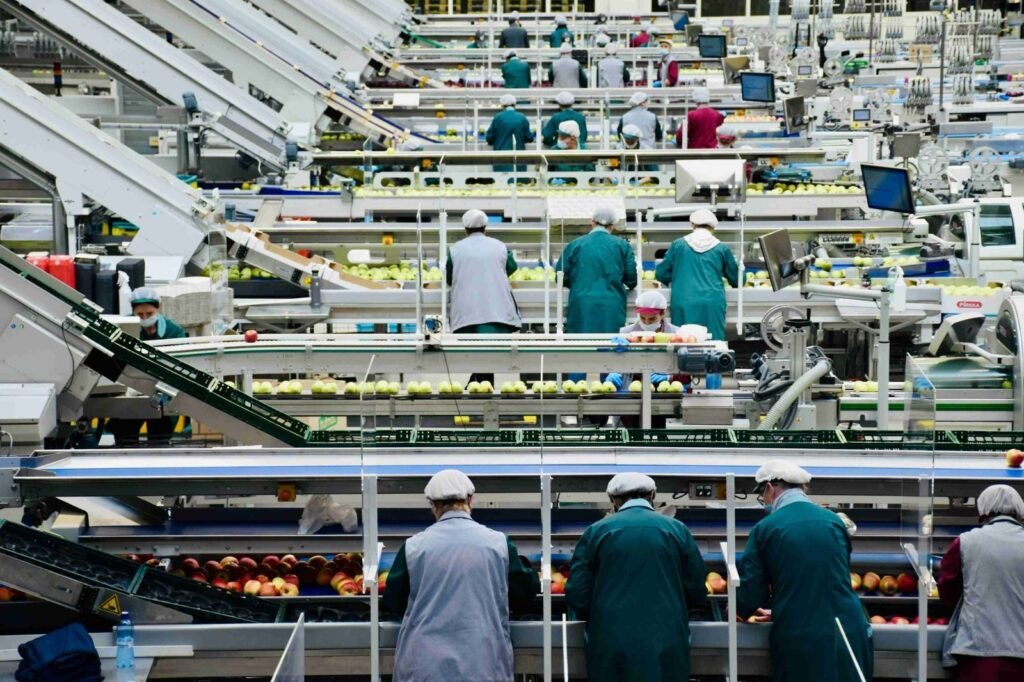
For decades, Foreign Institutional Investors were parking their money in the consumption story of India. With a growing economy and a median age of around 28 years, the spending story of India was strong. A growing population, rising incomes and increasing urbanisation meant Indians would eat, shop, travel and spend more.
But that story has been changing recently.
From consumption sectors like FMCG and safe sectors like Banking & IT, the money has been moving. While the optimism for India’s growth story has not waned, it has shifted. Indian IT was considered a safe sector for investors but it has hit a wall against the Indian AI story, which looks bleak for the moment. The Indian IT companies have shot themselves in the foot by just being a cheap labour outsource for western firms and not investing heavily in AI development.
Earlier companies like HCL, Wipro, Infosys etc. billed their foreign clients on head count and number of engineers deployed on a project. But that has changed now. As AI takes over more coding and repetitive development work, clients are demanding to be billed on the project rather than the headcount. While the majority of engineers are trained on legacy code, companies are demanding people who know how to integrate AI architecture and workflows into their work — which not many employees are trained on. This has already resulted in layoffs across the sector.
With the current geopolitical scenario, the banking sector was the other victim. From huge selling of stocks to rupee depreciation which made investors’ profits shrink, from RBI crackdowns to ensure more regulated lending to the shrinking profit margins, investors were opting out.
While the money has moved out from these sectors, it has found greener pastures.
The Greener Infrastructure Story
What has caught the interest of FIIs and NRIs has been the Infrastructure and Real Estate story of India.
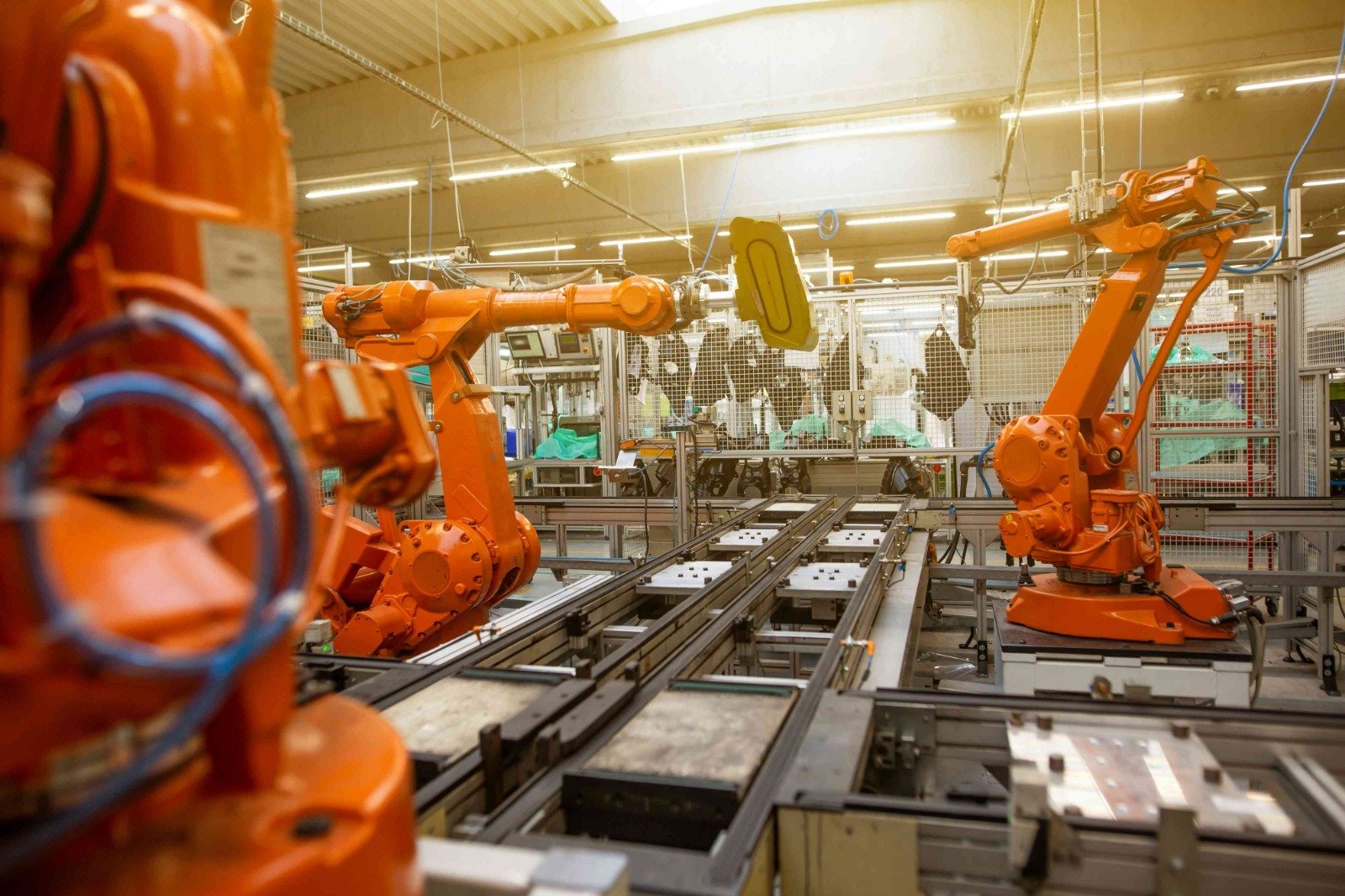
Manufacturing industries and the infrastructure sector have seen a rise in investments. And it’s not just the government footing the bill anymore — private capital has shown up too.
For FY2026-27, the Union Budget has allocated ₹12.2 lakh crore towards public capital expenditure.
But the more interesting number is on the private side.

Around ₹11.44 lakh crore of private corporate capital expenditure is estimated for FY2025-26, with 50.17% going into manufacturing. That’s roughly ₹5.74 lakh crore flowing straight into factories, machinery and production capacity — no government arm-twisting required.
A substantial portion of India’s foreign investment story is also chasing technology and hardware. India attracted US$58.85 billion in FDI in FY2025-26, up 18% from the previous year. Computer software and hardware together pulled in around US$13.9 billion in FDI equity inflows, making it one of the biggest single recipients of foreign capital.
The capital goods sector is riding this wave too. Companies making heavy machinery, electrical equipment, transformers and industrial gear are sitting on strong order books as manufacturing capacity and infrastructure spending pile up.
And it feeds itself.
More factories need more power.
More power needs more transformers and transmission equipment.
More manufacturing needs more roads, railways and logistics.
And all of that needs more capital goods.
Physical infrastructure like highways is also seeing a huge inflow of institutional money through Infrastructure Investment Trusts, or InvITs. Road InvIT assets under management reached around ₹2.46 lakh crore in FY2025, and that’s projected to more than double to around ₹5.45 lakh crore by FY2030. Institutional investors get a way into India’s infrastructure build-out without ever having to run a toll booth themselves — and they’re in love.
Railways are also getting their share of the spotlight. The government allocated ₹2.52 lakh crore in core budgetary support to Indian Railways for FY2025-26 — climbing to a total capital expenditure target of ₹2.62 lakh crore once internal resources and extra-budgetary funds are thrown in — money going straight into tracks, rolling stock, electrification and modernisation.
Then there’s is Real Estate
Luxury real estate is another avenue NRIs and institutional investors are eyeing lucratively. In 2025, homes valued above ₹1 crore made up around 50% of residential sales across India’s top eight cities, with sales of these premium homes growing by around 14% year on year.
This isn’t just rich Indians buying bigger houses. The growth of manufacturing, technology companies and Global Capability Centres is creating real demand for premium housing, commercial offices and better urban infrastructure around India’s major economic centres.
Global Capability Centres, or GCCs, have seen a huge increase in office space leasing, and foreign multinationals are leading the charge — leveraging India’s workforce and training them on AI nativity rather than leaning on the IT giants of India to do it for them.
For years, India’s biggest tech export story was its IT services companies. Now multinationals are cutting out the middleman and building their own high-value tech and R&D operations here directly.
So what does this spell out for both Institutional Investors as well as NRIs?
Well, the manufacturing and infrastructure sectors are in. That doesn’t mean consumption is dead — India isn’t flipping from a consumption economy to a manufacturing economy overnight. What’s really happening is the growth engine is getting bigger, not swapping parts.
The next phase of India’s growth isn’t just about Indians buying more cars, phones and clothes. It’s about the factories making those goods, the power systems running them, the highways and railways moving them, the offices housing the companies behind them, and the real estate housing the people who work there.
And even for Indian investors, maybe these sectors are the harbinger of good times.














Leave a Reply