

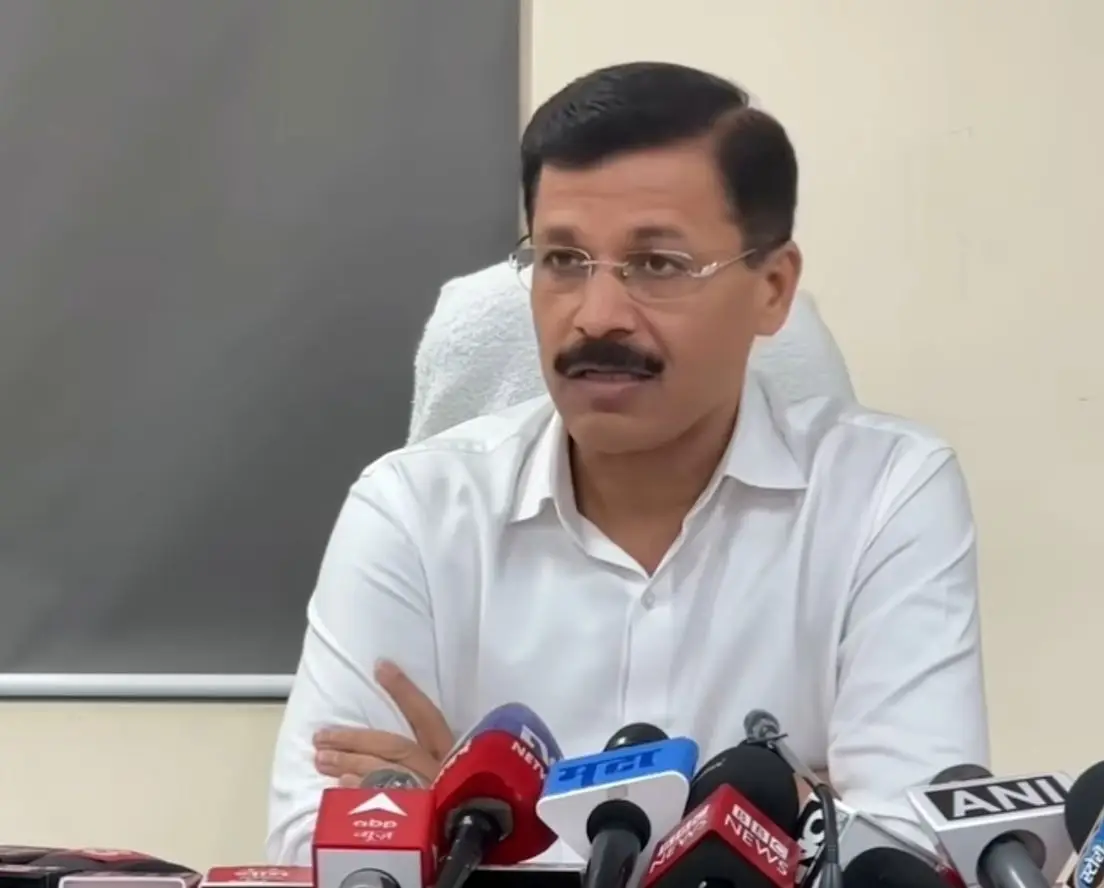
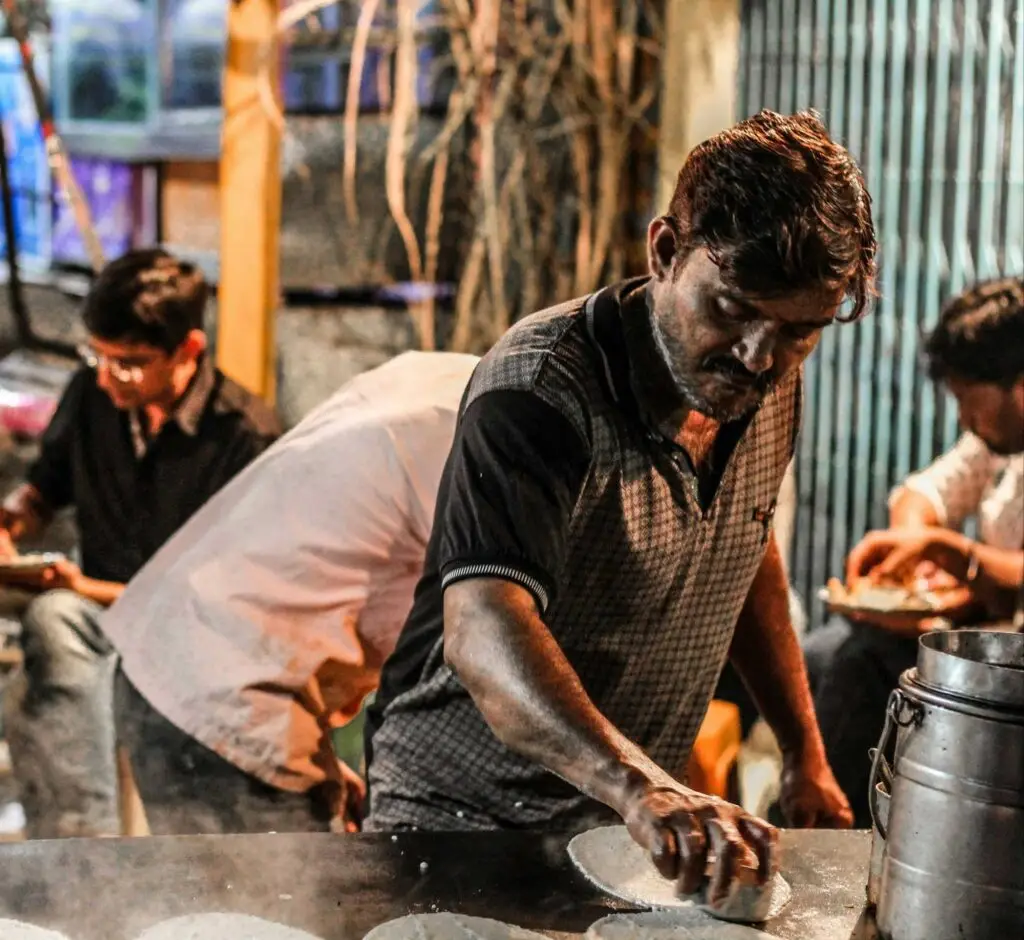
On 15th August, 2026, India celebrated its 80th Independence Day. While there are many positives and achievements, there are many stark negatives that cannot be unseen.
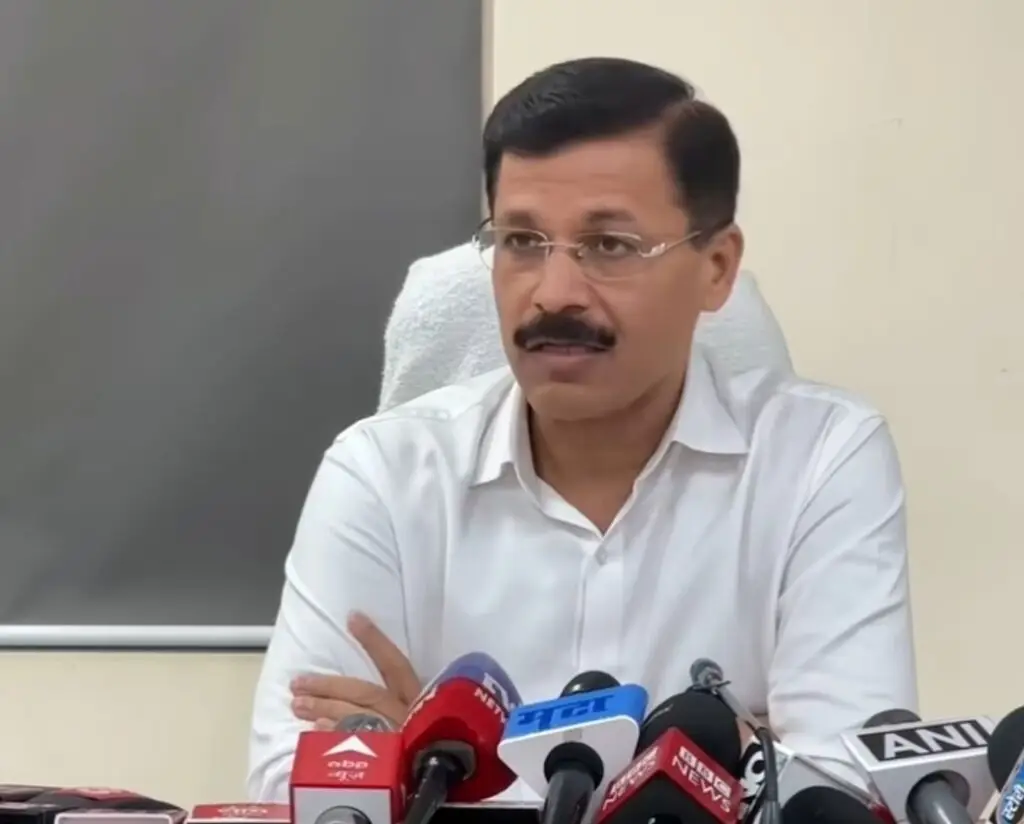
The recent fiasco in Maharashtra, where the dynamic and apolitical food and drug department officer Tukaram Mundhe has had many restaurants and storage facilities face enforcement action, including licence suspensions and other regulatory measures, is part of a larger symptom.
The so-called freedom with which these restaurants and storage facilities had been operating is an open challenge to the system. You can have many regulations, but unless the conscience of the people involved in selling fake paneer and serving cockroach-infested food doesn’t change, the government can only do so much.
But there is another uncomfortable side to this. The Bombay High Court recently questioned the proportionality of the FDA’s action in a case where cockroaches were found in a hotel kitchen, reportedly observing, “We are in India, be realistic.” The court’s point was about whether such a finding justified the immediate suspension of an entire licence, not that cockroaches in a kitchen are acceptable. But it does raise an uncomfortable question: at what point does being “realistic” about India’s standards become an acceptance of the very standards we should be trying to change?
Let’s look at the numbers. FSSAI’s FoSCoS system currently has around 73.6 lakh active licence and registration records across India. These include restaurants, street vendors, wholesalers, suppliers, manufacturers, retailers and other food businesses.
Even if one estimates a conservative 5 times this number in unregistered entities, including dhabas, thelawalas and many small eateries and shops, the number would reach around 4.4 crore food businesses and establishments. This 5-times figure is an estimate, not an official government count, but it gives us an idea of the scale of the problem.
Let’s look at the actively employed officer numbers. The last consolidated national figure available puts the number of Food Safety Officers at around 2,574.
That means that, even using our estimated 4.4 crore food businesses, an average Food Safety Officer would theoretically have around 17,000 establishments to look into at least once, let alone deal with repeat violations, sampling, laboratory testing, paperwork, investigations and legal proceedings.
So the scale of the food business is so large, no government can check every food business in the country in its lifetime.
And perhaps that is the real problem.
The government can make laws. It can create departments. It can appoint officers. But ultimately, a food business owner has to decide whether to sell genuine paneer or fake paneer, whether to maintain hygiene or allow cockroaches to infest a kitchen, and whether to follow the law when nobody is watching.
The state can enforce. But it cannot stand behind every kitchen, every thela and every warehouse in the country.
So the real question is this: have we really achieved some kind of freedom, and are we really even free from our conscience?
Till then, many more Tukaram Mundhes will be in the news.










Leave a Reply