

There has been recent news that the ethanol blending failed in diesel vehicles, but there are bigger concerns under the surface.
India has rolled out E20 petrol without giving consumers the option of 100% petrol. While vehicles manufactured from April 2023 began adopting E20-compatible materials, E20-tuned vehicles came from April 2025. This has raised concerns and hue and cry from customers and different lobbies, especially those whose vehicles were manufactured before 2023.
The issue has even reached state politics. The Punjab Assembly recently passed a resolution asking the Centre to suspend the mandatory E20 rollout for vehicles that were not originally designed or certified for E20, citing concerns around vehicle compatibility and consumer safety.
The underlying issue is India’s foreign crude oil dependency. The country imports close to 90% of its crude oil, which is subject to international geopolitics, trade wars, supply disruptions and fluctuations in global crude prices.
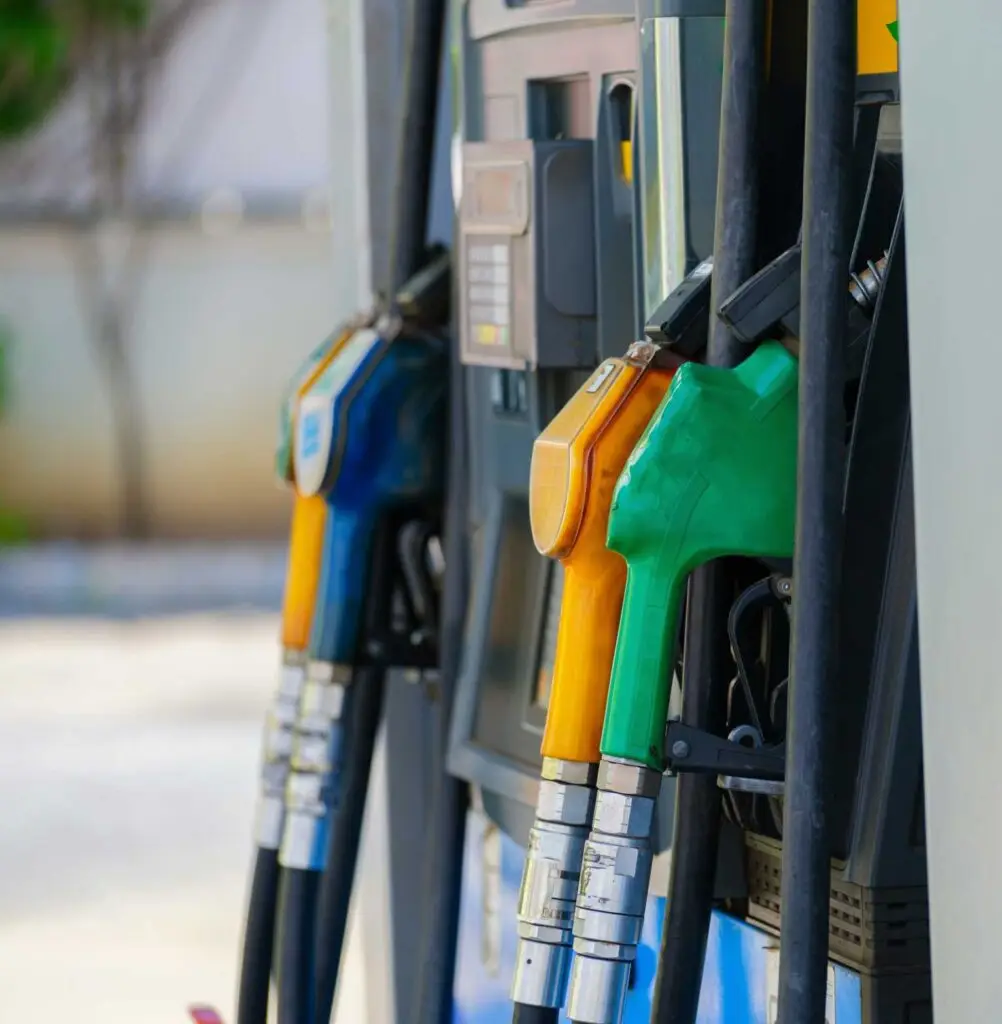
Ethanol gives India a way to reduce some of this dependence. Instead of producing all of its petrol from imported crude oil, a portion can be replaced with domestically produced ethanol.
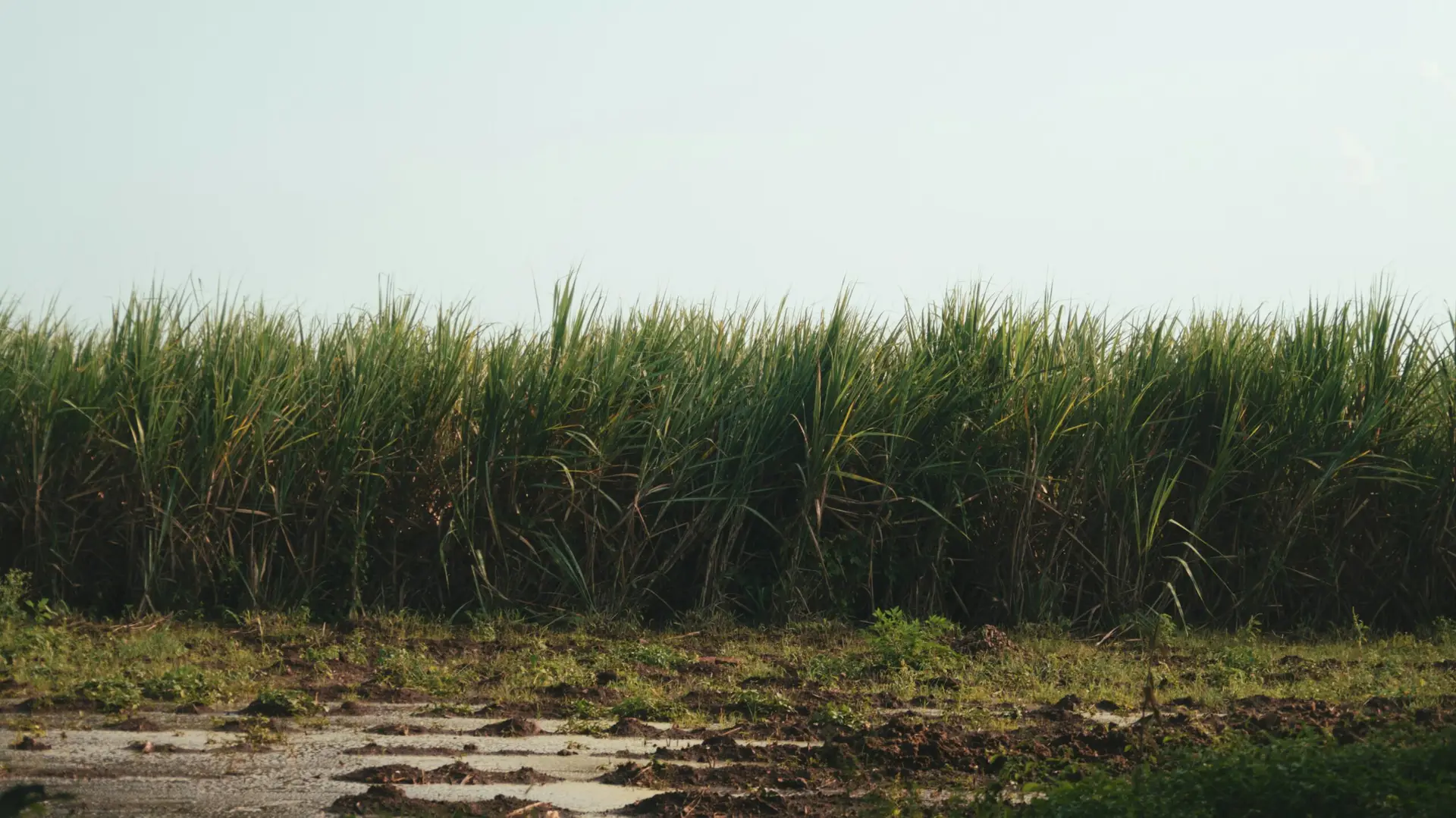
But another important trade-off is farmers switching to the production of sugarcane and maize crops, which could lead to water depletion, especially in drought-prone areas. India’s think tank body, NITI Aayog, has highlighted its concerns around the water intensity of these crops.
So, one should ask: which cost is India ready to bear?
Is India reducing its dependence on imported oil while increasing its dependence on groundwater and agricultural land?
While this is a big concern, there is a bigger concern: India’s dependency on diesel.
India’s petrol consumption is around 40 million tonnes, while its diesel consumption is around 91 million tonnes. Diesel consumption is therefore more than twice as high as petrol consumption. Petrol is used predominantly by private vehicles and two-wheelers, while diesel is deeply embedded in the wider economy through trucks, buses, agriculture, construction and other commercial activities.
This makes the diesel problem much harder to solve.
The recent push for ethanol blending in diesel is a case in point. Ethanol-blended diesel has failed to meet mandatory safety specifications because the addition of ethanol significantly reduces the fuel’s flash point, creating concerns around its safe storage and handling.
So one is back to square one.
The bigger question is therefore not just how India can reduce its dependence on imported crude, but how it can reduce its dependence on liquid fuels altogether.
Here are the ways that the country could move forward towards greater energy security.
Switch to EVs
The nation is pushing EVs through its policies. This has led to a dramatic increase in EV adoption, from around 50,000 annual sales in 2016 to more than 2 million in 2024. EV registrations reached around 1.97 million in FY2024-25.
Though the energy supplied to these EVs is still largely coal-based, with coal accounting for around 71% of India’s electricity generation in FY2024-25, solar has increased to around 8%.
So the transition to EVs is a good thing, but its long-term benefits will depend on how quickly India can shift its electricity generation towards cleaner sources such as solar, wind, hydro and nuclear.
The advantage with EVs is that the vehicle can become cleaner as the electricity grid becomes cleaner. A petrol or diesel vehicle cannot.
Increase its Nuclear and Hydro Production
The country should increase its nuclear and hydel power production from around 3% and 8% respectively.
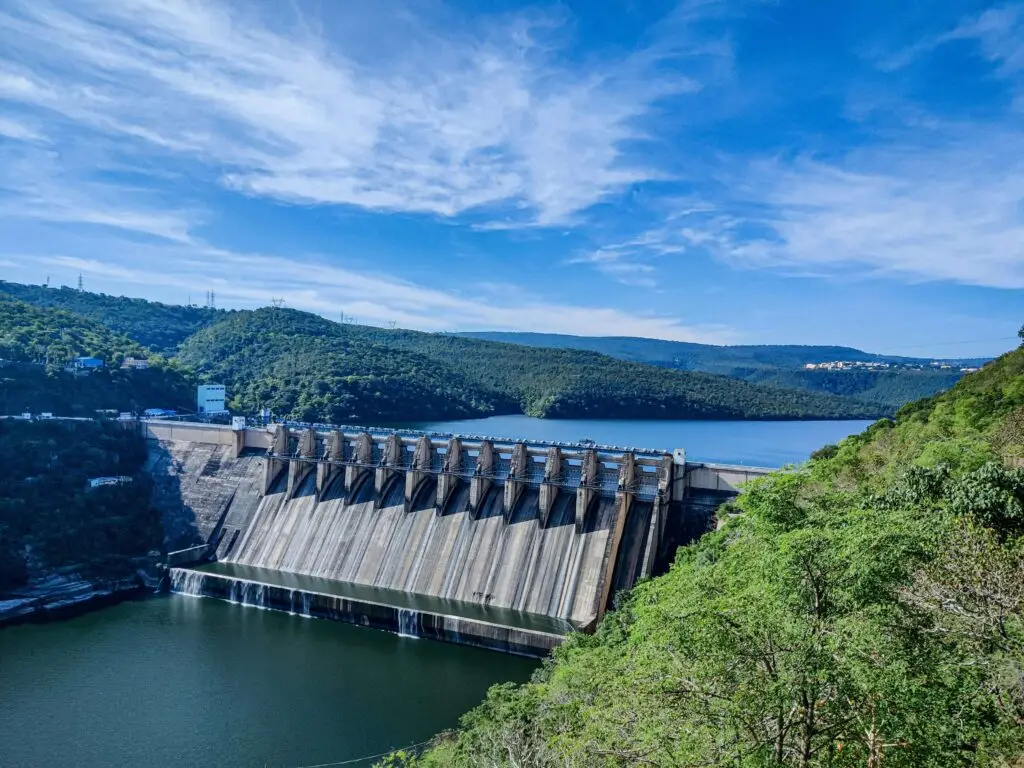
This becomes even more important if India wants to electrify transportation. More EVs will mean more demand for electricity, and that electricity has to come from somewhere.
Solar has grown rapidly, but it is intermittent. Nuclear and hydropower can provide more stable sources of electricity and reduce the dependence on coal.
But that comes at huge initial capital investments into these sectors, along with long development timelines and, in the case of hydropower, environmental and social costs.
That will beg the question: is the Indian government going to play the long game?
India’s energy problem cannot be solved by one fuel or one technology.
Ethanol can reduce some of India’s dependence on imported crude.
EVs can gradually reduce the demand for petrol and diesel.
Solar, hydro and nuclear can reduce the dependence on coal.
But every solution comes with its own cost.
The real question is not simply how India can reduce its dependence on imported oil, but which combination of energy sources can give India greater energy security without creating another resource crisis in the process.
Sources:









Leave a Reply